
The Connection Between Nature and Well-being: A Holistic View
Biophilia is the hypothesis that humans possess an innate tendency to seek connections with nature and other forms of life. In our increasingly urbanized society, the disconnection from the natural world has become a subject of intense study. Research suggests that even brief interactions with natural environments can have a profound impact on our cognitive performance and emotional state.
Shinrin-yoku: Forest Bathing
Originating in Japan, the practice of "forest bathing" involves immersing oneself in a natural environment and engaging all senses. It is not about exercise or hiking; it is about simply being present among trees. The atmospheric chemicals released by trees, known as phytoncides, are thought to interact with the human immune system in subtle, beneficial ways.
Furthermore, the "Attention Restoration Theory" (ART) proposes that natural environments allow the brain to recover from the "directed attention fatigue" caused by urban life and constant screen use. Nature provides "soft fascination"—stimuli that capture attention without effort, allowing the mind to wander and rest.
Environmental Concepts
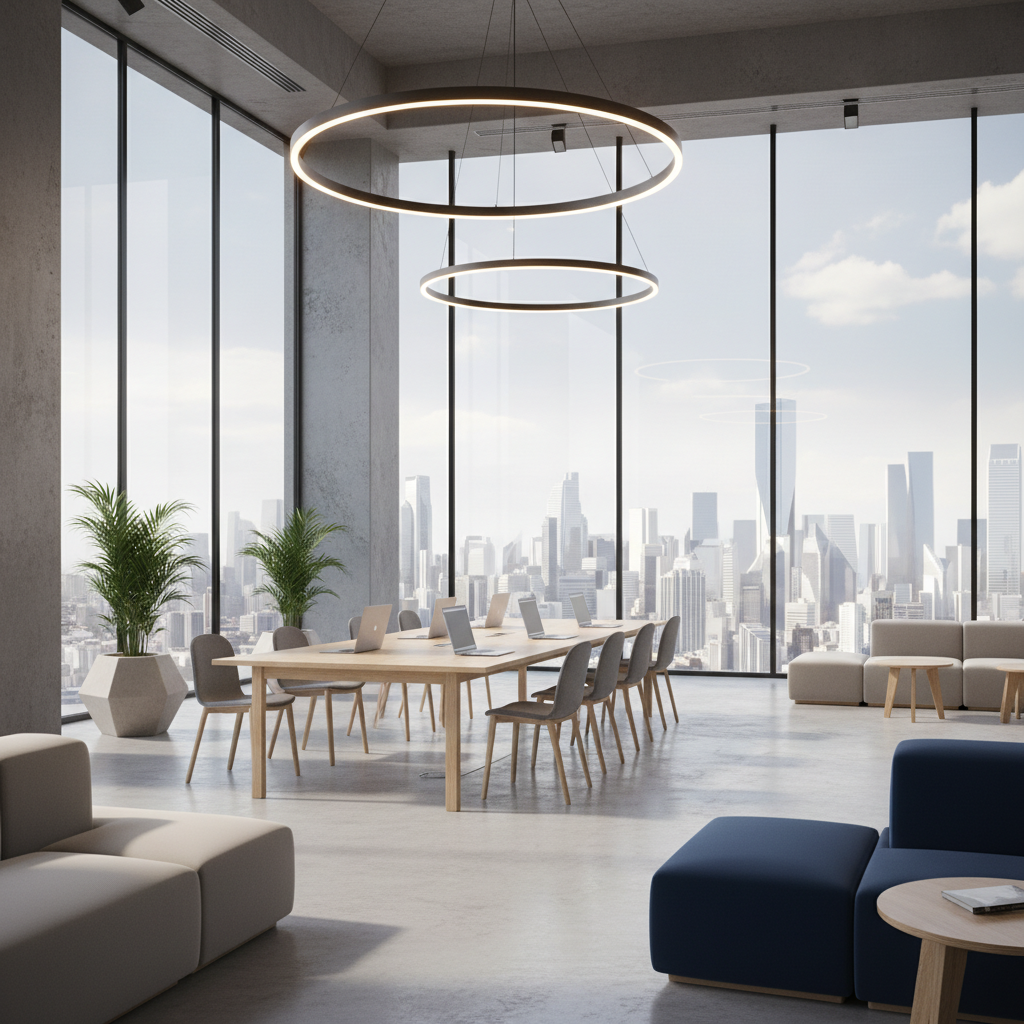
Biophilic Design: Integrating natural elements into architecture and interior design to improve the well-being of occupants.
Fractal Patterns: Repeating geometric patterns found in nature (leaves, coastlines) that are visually soothing to the human eye.
Circadian Lighting: Lighting systems designed to mimic the natural progression of sunlight throughout the day.